
How might Indiana's new public camping law affect homelessness in Fort Wayne?
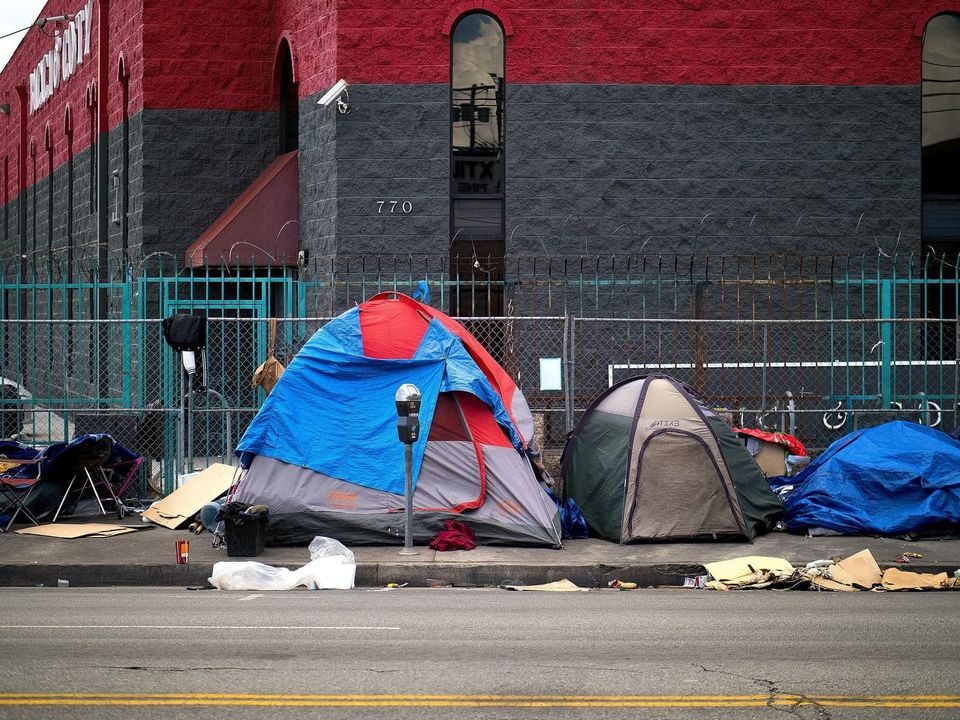
Hey Locals,
We are returning from vacation this week, so our contributor Rachel Horton is taking over today’s newsletter to bring you a comprehensive report on the state of local resources for people facing homelessness in Fort Wayne.
While we’ve previously covered how local businesses are affected by homelessness Downtown, this week, we’re hearing from the area’s existing nonprofits.
We talked to:
- Mary Ann Mings, Executive Director of Inasmuch Ministries, Circles of Allen County, and Forgotten Stones
- Shirley Rork, Executive Director of Just Neighbors
- Erin Ness, Executive Director of Josephine’s House, formerly known as St. Joseph Missions, and Anchor Resource Center board member
- Mary Tyndall, Community Development Division Public Information Officer
- Sgt. Jonathan Cutler, Fort Wayne Police Department Public Information Officer
A common thread? They’re maxed out and simply don’t have the capacity to meet the needs of the area’s homeless population. All of this comes to the forefront as Fort Wayne faces rising tensions over the city’s proposed Anchor Resource Center and navigates the enforcement of a new state law on public camping.
As reported Tuesday: On July 1, Senate Enrolled Act 285 took effect, punishing people who use “unauthorized public land for camping, sleeping or long-term shelter” with potential penalties of up to 60 days in jail and up to $500 fines. But the law provides exceptions for cases where there are “no available shelter or mental health facility beds within five miles.”
So what is everyone saying about the new law?
The City:
City representatives released a statement in response to our questions about SEA 285: “The FWPD’s enforcement procedure will follow this order: assess the situation, determine whether emergency detention applies, provide warnings and resource information when appropriate, seek voluntary compliance, coordinate with outreach partners, and use criminal enforcement only when authorized by law.”
(Prior to the law taking effect, the city already had its own policy in place regarding homeless encampments, requiring a 72-hour notice before a site cleanup can begin, if the encampment poses a health or safety risk.)
The FWPD:
Among the biggest issues on our minds with this new legislation is its enforcement, and whether lawmakers in Indianapolis fully thought out the burden that it might put on local entities, like police.
- Does the state provide any guidance on this?
- Is there anything that dictates who within the city will be tasked with tracking the availability of shelters or mental health facilities?
Sgt. Cutler tells us no guidance on enforcement has been provided by the state, but that is “fairly typical” for new laws, as “it’s up to each local municipality to interpret and apply the law.”
While the law has led many residents to express concerns about its effects on the local homeless population, Cutler says for the FWPD, its implementation still hinges on police establishing “consistent resource pathways, so we can better connect people with the services they need” – something the FWPD “already strive[s] to do,” he says.
As for circumstances where there are no available beds or facilities within five miles, Cutler adds: “We will handle those on a case‑by‑case basis. In many instances, our officers offer the individual a ride to an available location.”
Will this be enough to assuage the worries of the city’s homeless population? Cutler says the FWPD doesn’t “expect to rely heavily on the criminal enforcement aspect of this law. Most people we encounter are cooperative and voluntarily leave the area. On the rare occasion someone refuses to comply, a citation may be necessary.”
This post is for paying subscribers only